
Unlicensed Home Daycare in Canada: Simple Setup Guide for Moms (Montessori-Inspired)
Starting a home daycare sounds simple… until you realize how many decisions you have to make.
What space do you use?
What toys do you actually need?
How do you keep multiple kids calm, safe, and engaged all day?
If you’re feeling overwhelmed, you’re not alone.
In this post, I’m going to walk you through exactly how I set up my Montessori-inspired home daycare in Canada—in a way that’s simple, affordable, and actually manageable as a mom.
👉 Keep reading for:
My exact room setup
The only toys you really need
A simple daily routine that actually works
What “Montessori-Inspired” Means in a Home Daycare
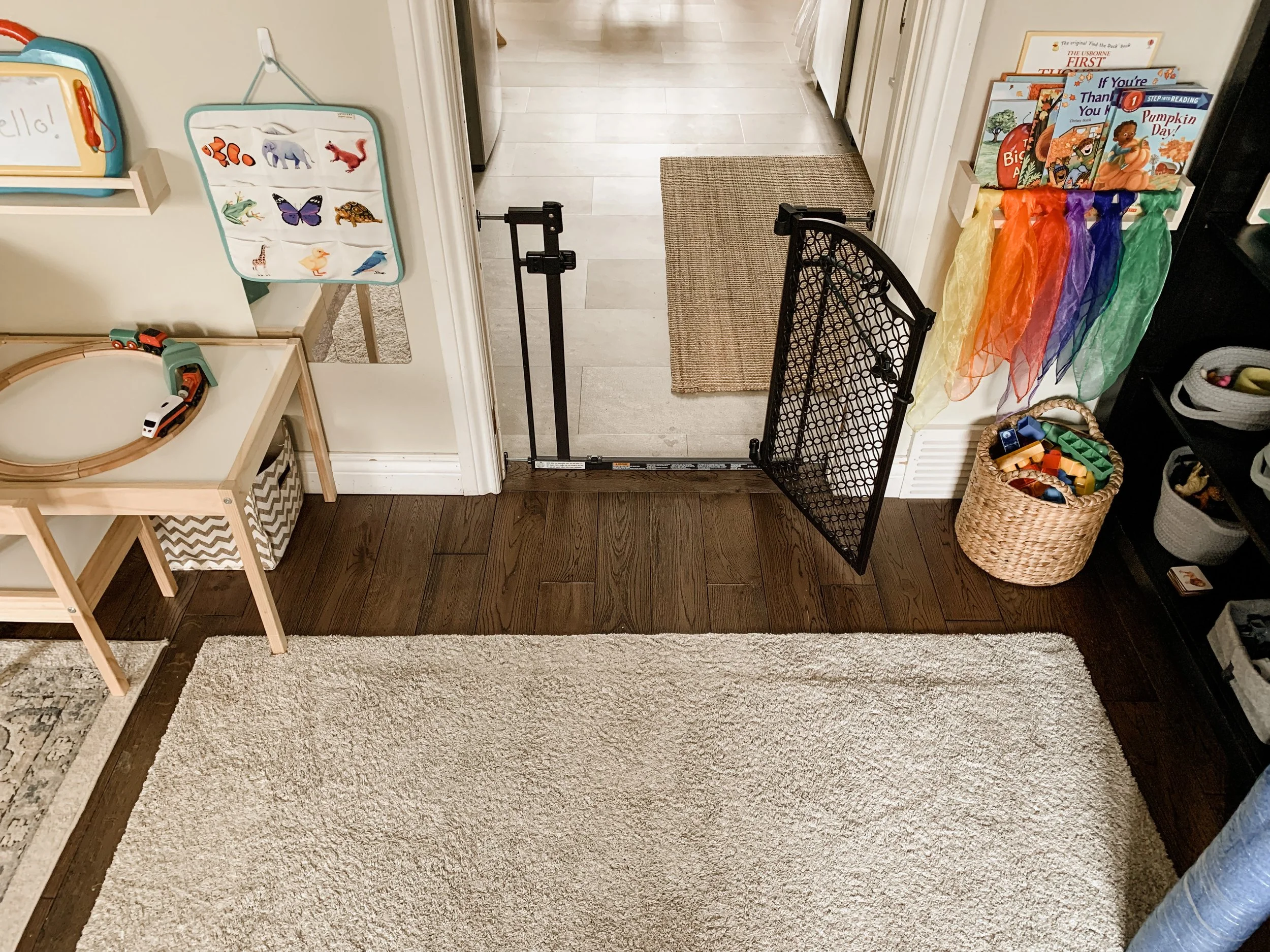
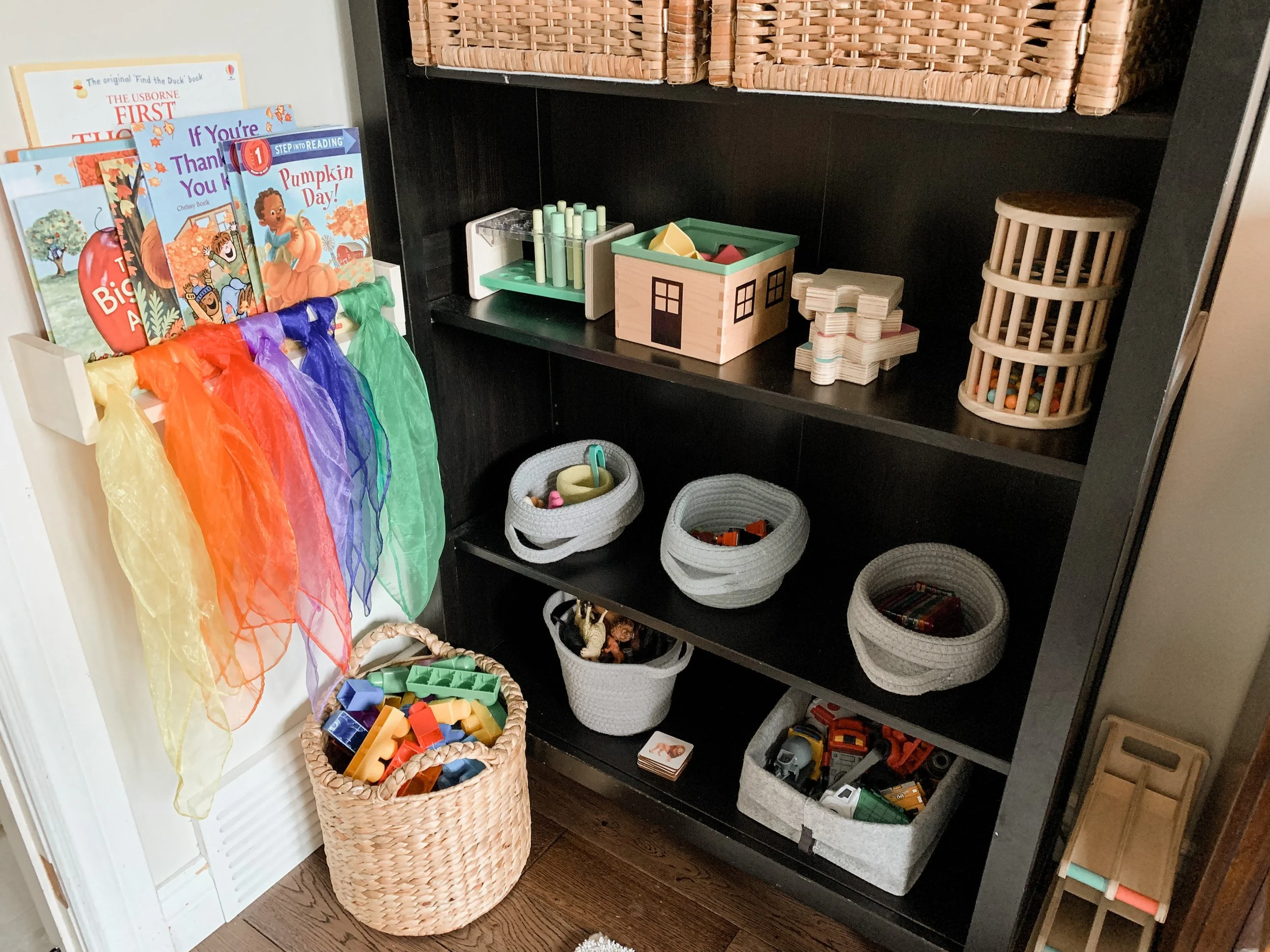
A Montessori-inspired daycare doesn’t mean you need expensive materials or formal training. At its core, Montessori is about:
Respecting the child as an individual
Encouraging independence and choice
Creating a calm, prepared environment
Using simple, purposeful materials
Allowing uninterrupted work and play
In a home daycare, this translates to less clutter, fewer toys, predictable routines, and thoughtfully arranged spaces.
Setting Up Your Home Daycare Space
Choose One Primary Childcare Area
If possible, dedicate one main room to childcare. This could be:
A living room (this is where I set up my main childcare space in our home)
A finished basement
A large playroom
An open-concept area divided into zones
The goal is to avoid children roaming the entire house and instead provide a clear, contained environment that feels calm and intentional.
Create Defined Activity Zones
Montessori environments work best when each area has a clear purpose.
Common zones include:
Practical life
Open play / work rugs
Reading nook
Art & creativity
Snack / meal area
Movement space
You don’t need walls—low shelves, rugs, or furniture placement are enough to define areas.
Use Child-Sized Furniture
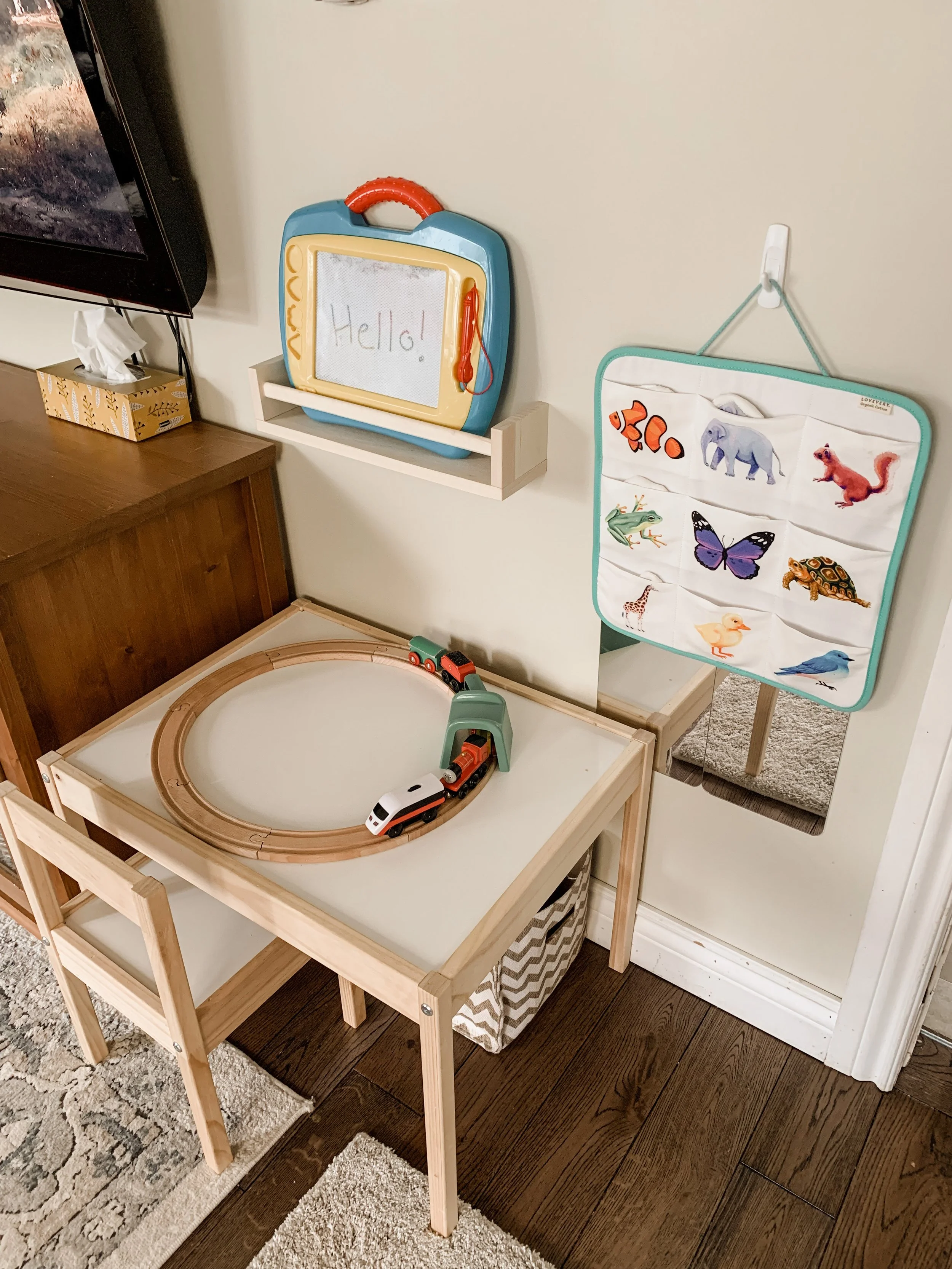
Child-sized furniture is essential for independence.
Low shelves children can access themselves
Small tables and chairs
Floor mats or work rugs
Low hooks for coats and bags
When children can reach and manage their own things, they naturally become more confident and capable.
👉 If you’re working with a small home, don’t overthink this—my entire setup started in one room.
Montessori-Inspired Toy & Material Choices
Fewer Toys, Better Choices
Instead of overwhelming children with options, aim for quality over quantity.
Choose toys that:
Are made from natural materials when possible
Have a clear purpose
Encourage problem-solving
Don’t rely on batteries or screens
Examples:
Wooden puzzles
Stacking toys
Shape sorters
Practical life tools (pouring cups, scoops)
Open-ended toys like blocks or figurines
Rotate Toys Regularly
Keep only 6–10 activities available at a time. Rotate materials every 1–2 weeks based on interest and developmental needs. This keeps children engaged without overstimulation.
Setting Up a Practical Life Area
Practical life is a cornerstone of Montessori.
Ideas for a home daycare:
Pouring water between small pitchers
Spooning dry beans or rice
Washing toys or hands at a low sink or bin
Sweeping with child-sized brooms
Setting the table
These activities build focus, coordination, and independence, even for very young children.
Creating a Calm Daily Routine
Why Routine Matters
Children thrive on predictability. A consistent routine:
Reduces behaviour issues
Helps children feel safe
Makes transitions easier
Creates a calm atmosphere
Your routine doesn’t need to be rigid, but it should be predictable. Below is an example of the routine I implemented for my group of littles - I ran a morning program with two different program options depending on the parent’s schedule.
Sample Daily Routine for a Home Daycare (Canada)
Regular Toddler Morning Program (9:00-11:30 am)
Arrival: Free play
9:15 Songs, stories, dancing and/or games
9:30 Free play
9:45 Diaper changes & toilet time
10:00 Snack time
10:30 Craft time or creative play (think: kinetic sand, play dough, drawing etc.)
11:00 Diaper changes & toilet time
11:15 Free play & TV time* until pickup at 11:30
Extended Hours Toddler Morning Program (8:00 am-12:00 pm)
Arrival: Free play
8:15 Breakfast
8:45 Diaper changes & toilet time
9:15 Songs, stories, dancing and/or games
9:30 Free play
9:45 Diaper changes & toilet time
10:00 Snack time
10:30 Craft time or creative play (think: kinetic sand, play dough, drawing etc.)
11:00 Diaper changes & toilet time
11:15 Free play & TV time while I lunch prep*
11:35 Lunch
12:00 Pickup
*Depending on whether a child wanted to help with lunch prep I would sometimes turn on the television while lunch was being made. Educational programs were prioritized AND children were of course not required to watch television and could free play instead.
Sample Montessori-Inspired Home Daycare Routine
If you plan to offer a full-day program, below is an outline of what that could look like!
Morning Arrival & Free Play
Children choose from prepared activities while arrivals happen gradually.
Morning Circle (Optional & Short)
Songs, weather, or a simple story (5–10 minutes max).
Uninterrupted Work / Play Time
This is the heart of the day. Children choose activities freely.
Snack Time
Often self-served with support, encouraging independence.
Outdoor Play
Daily outdoor time is essential—rain or shine when possible.
Lunch
Calm, unhurried, with children helping to set up and clean up.
Rest / Nap Time
Quiet music, dim lights, consistent cues.
Afternoon Play & Pick-Up
Low-key activities as children transition home.
Setting Up Meal & Snack Routines
Montessori encourages children to be involved in meals.
Use real dishes (not plastic when possible)
Allow children to pour water with small pitchers
Encourage wiping their own spills
Sit together when possible
Meals are about more than eating—they’re about social skills and independence. In my home daycare, I focused on a mini-meal mindset. During the morning program children were provided with one snack (or breakfast + a snack if enrolled in extended hours program).
I offered snacks with a 'mini-meal-mindset' meaning snack plates typically included at least three food groups based on Canada's Food Guide.
Sample Daycare Snack Ideas (Canada Food Guide-Based)
In our home we prioritize organic, whole foods. Below is a list of typical snack foods I served during the morning program:
Oat flour blueberry & lemon muffin + cheese slices + smoothie
Homemade hummus + crackers + fruit
Pumpkin seed butter toast + yogurt + fruit
Banana date oat bar + cheese + smoothie
Ham & cheese roll-ups + fruit
Chaffle (egg & cheese waffle) w/ham + fruit/veg + smoothie
All food aside from crackers was homemade. We did also always have Love Child puree pouches on hand. I prefer these pouches as they contain more veggies and less sugar.
Cow's milk (organic 3.8%) and water was available to the children throughout their time at my daycare. If breastmilk was supplied, this was provided to the child instead via bottle or sippy cup. I did not serve juice. I offered a variety of cup options depending on the parent’s preference (sippy cup, munchkin cups, tommy tippee bottles, etc.).
Nap & Rest Space Setup
Create a peaceful sleep environment:
Consistent nap spots
Soft lighting
White noise or gentle music
Familiar routines before rest
Even children who don’t sleep should have quiet rest time.
Storage, Organization & Clean-Up
Everything Has a Home
Clear organization helps children clean up independently.
Label bins with pictures
Keep shelves uncluttered
Return materials to the same spot daily
Clean-up becomes a natural part of the routine, not a battle.
Keeping the Environment Calm
Montessori-inspired spaces are intentionally calm.
Neutral colours
Natural light when possible
Minimal wall décor
Soft background music or silence
A calm space encourages calm behaviour.
Final Thoughts on Starting a Montessori-Inspired Home Daycare
You don’t need a large house, expensive materials, or a formal classroom to create a beautiful Montessori-inspired home daycare. With thoughtful setup, clear routines, and a respect-based approach, your home can become a nurturing, engaging environment where children truly thrive.
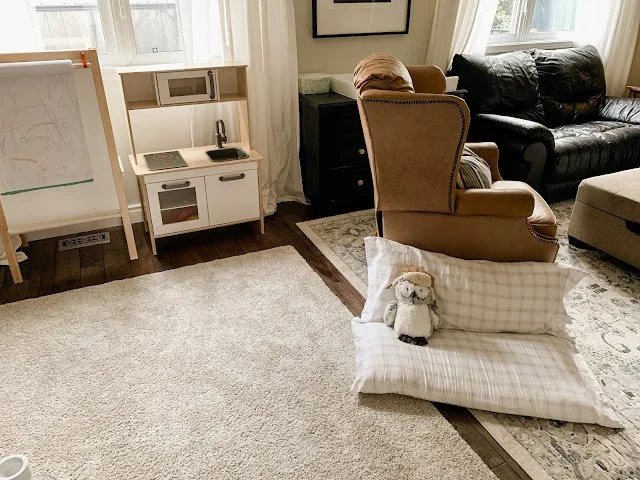
Starting small, staying consistent, and observing the children in your care will guide you far more than any checklist ever could. Below is a gallery of my main childcare space.
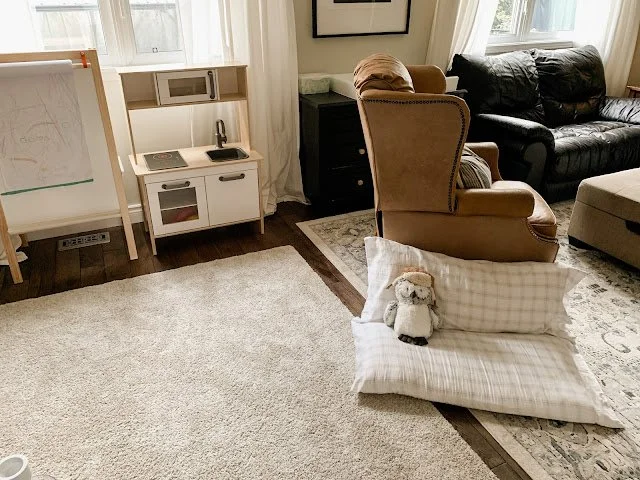

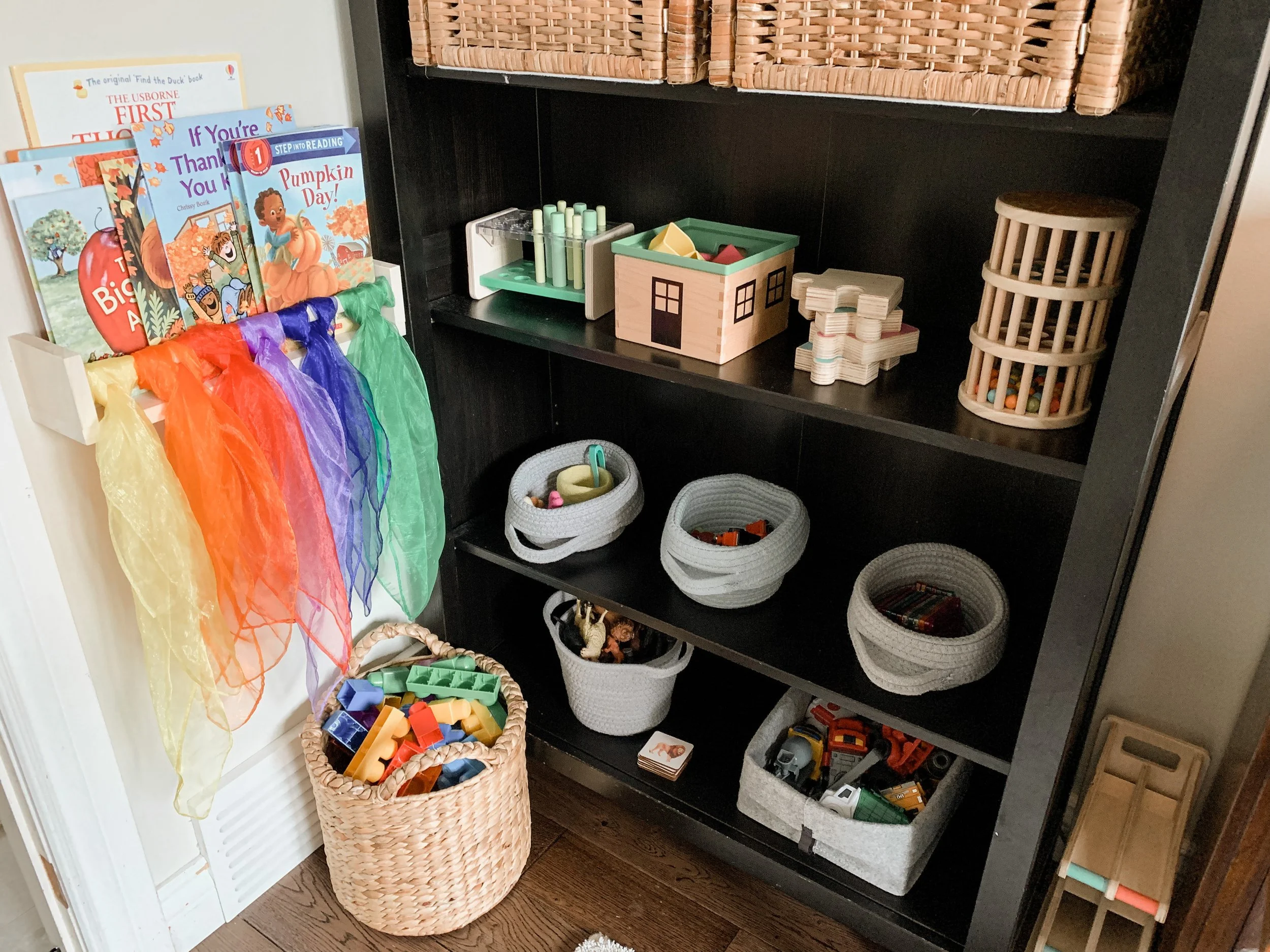
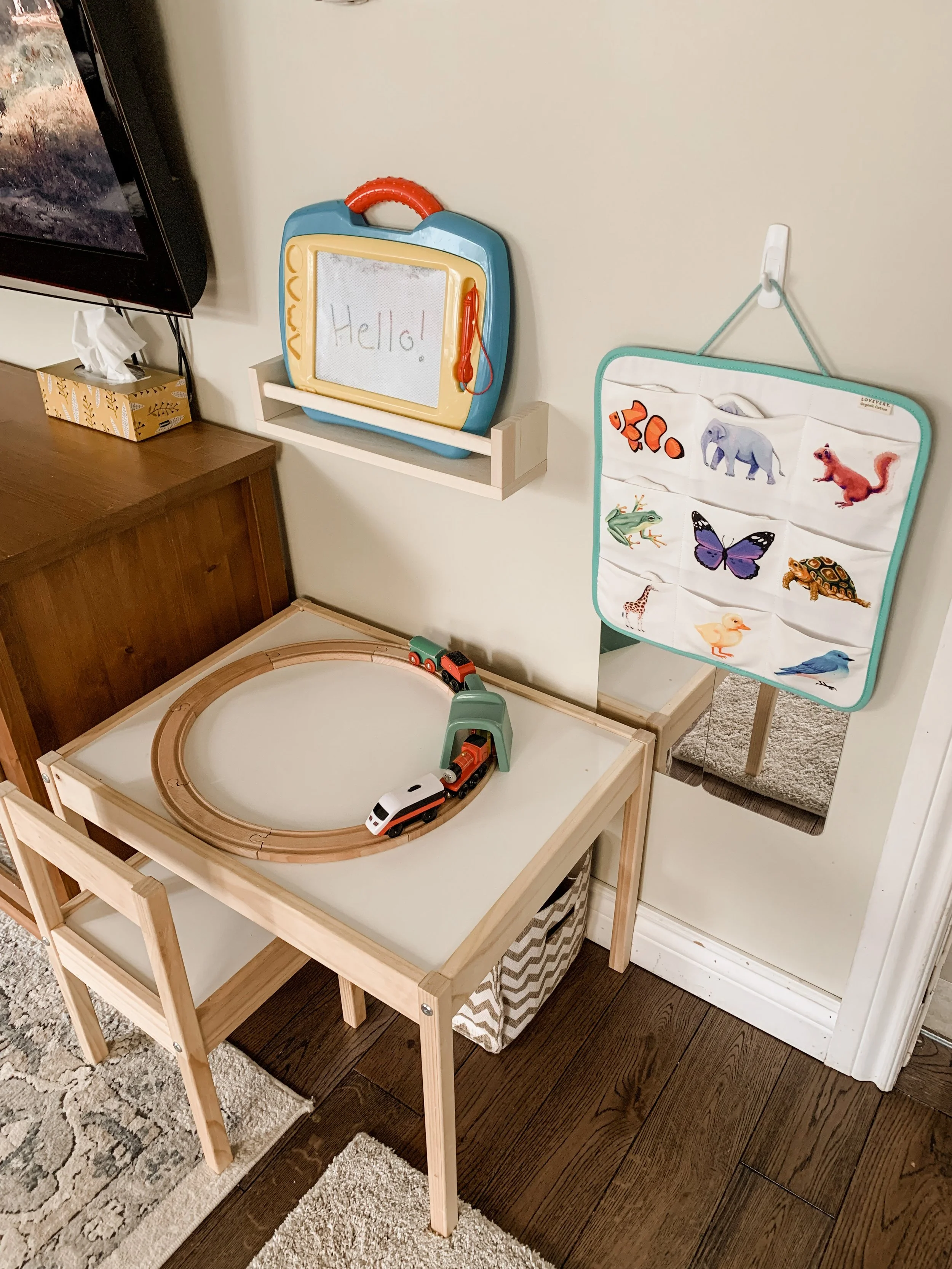
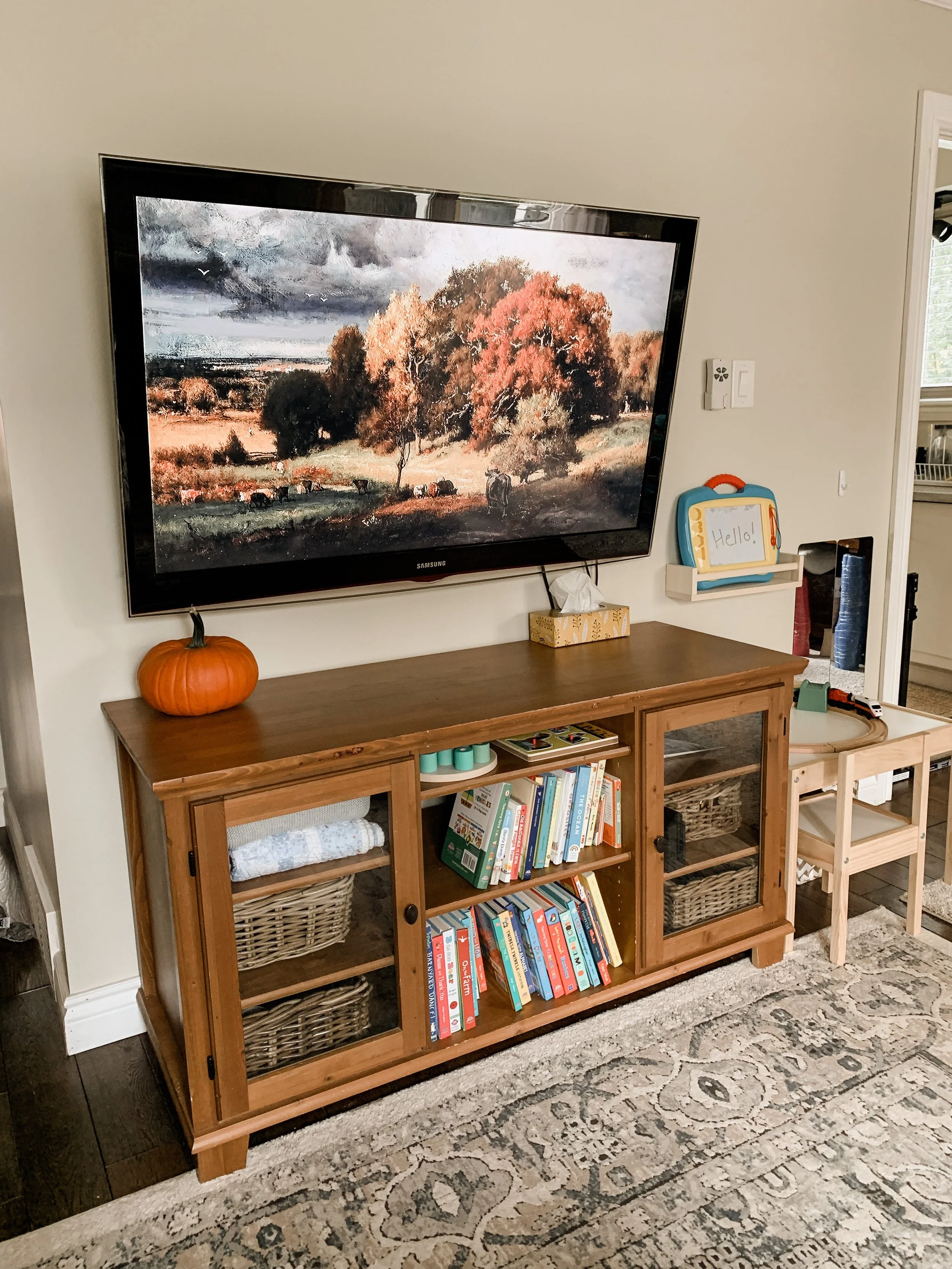
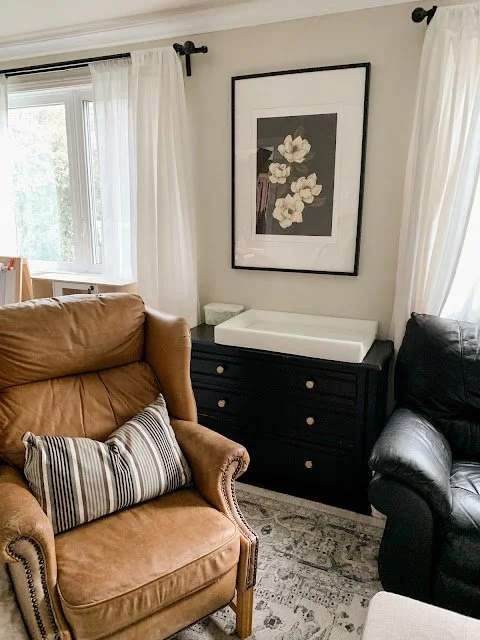
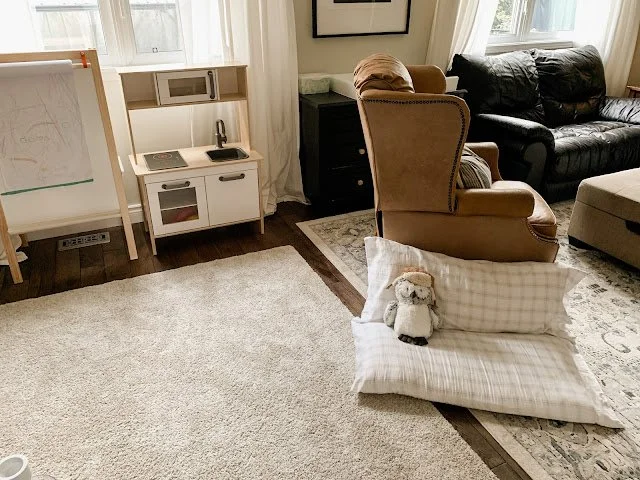
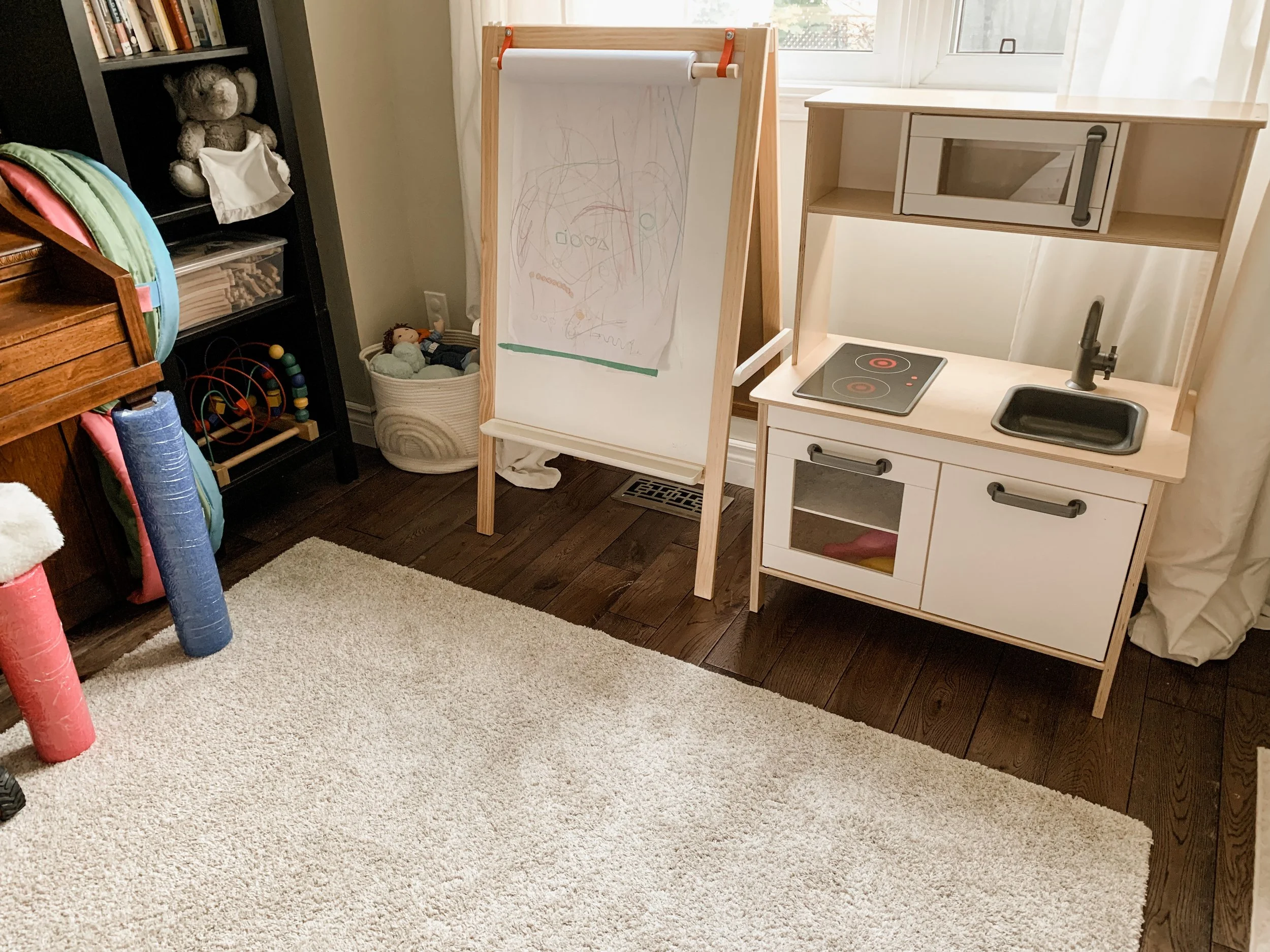
Our Main Space
Our 'playroom' was simply our primary living space on our main floor - this space is right off the kitchen and is a complete 'yes' space. The room was designed with the Montessori philosophy in mind, meaning the room was a space where the child could feel 100% safe and confident.
All open shelving was toy storage, and all enclosed cabinets were baby-proofed.
The main floor was primarily where children were cared for during the morning program as this was where our playroom, kitchen and guest bathroom are. The toys were rotated at the end of each week, but if a child was requesting a certain toy that wasn’t in rotation, they of course were offered that toy!
Outdoor Play
We do have our own fenced-in backyard with a small play structure, child's picnic table and sandbox.
Starting a home daycare doesn’t have to be complicated.
You don’t need a huge space, expensive toys, or a perfect system.
You just need a calm environment, simple routines, and consistency.
And if you’re building this as a way to stay home with your kids while earning income…
👉 you’re already on the right track!


